



Technical Specification

Central Rack Cooling System

Refrigeration system specifications including cooling capacity, evaporator temperature range, number and type of compressors, and compatible refrigerants.

SYSTEM SPECIFICATIONS

Cooling Capacity Overview

01 / CAPACITY
MT Cooling Capacity
30 to 700 kW
LT Cooling Capacity
20 to 500 kW

Compressors

02 / COMPRESSORS
Number of Compressors

2 to 6

Compressor Type

Bitzer Reciprocating ECOLINE Series

Second Type

Bitzer Screw HS Series

Compressor Capacity

2 — 6 Units

Evaporator Temperature

03 / TEMP
MT MEDIUM TEMP
−8 °C
LT LOW TEMP
−25 °C
FREEZER BLAST FREEZER
−40 °C
-8° MT
-25° LT
-40° FREEZER

Refrigerants

04 / REFRIGERANTS
R134a R404a R507a R22
EVAP / MT / LT / FREE
Aseh Innovation: Built for Durability and Trust

Beyond Design: Precision-Engineered Experience

Instant Access

Without opening the device

algoritm
Intelligent Algorithms

Integrated PFT Control

calm
Silent & Dependable

Optimized for Cold Room

Robust Frame

Rugged Design & Vibration Proof

TYPE RACK SYSTEMS

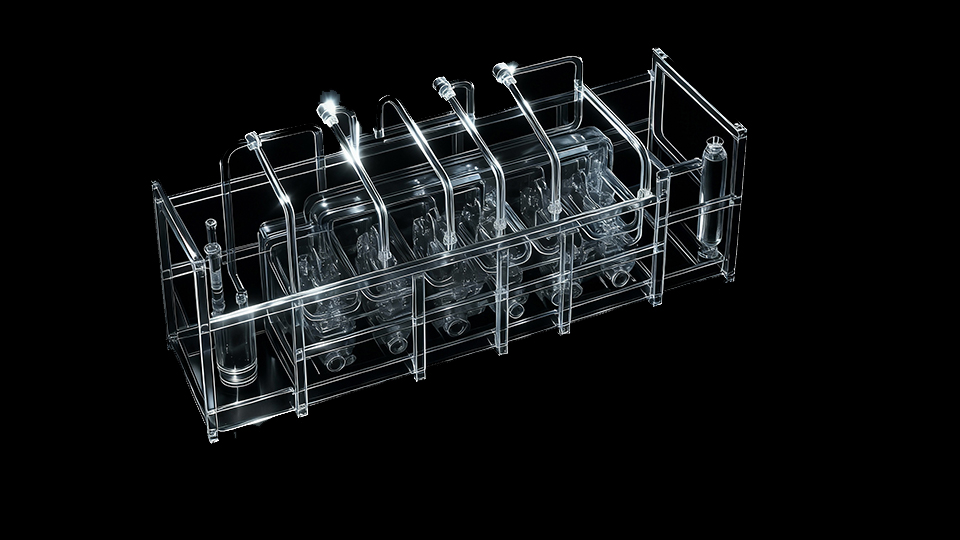
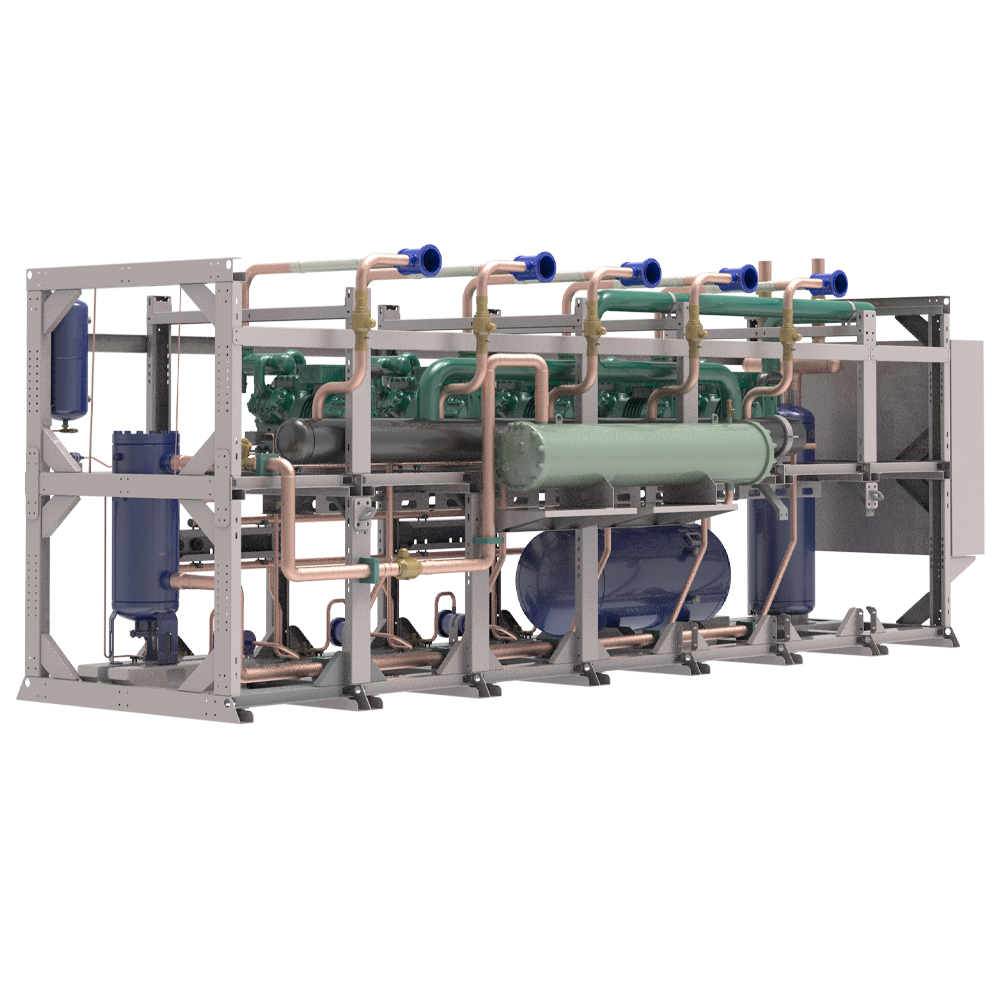
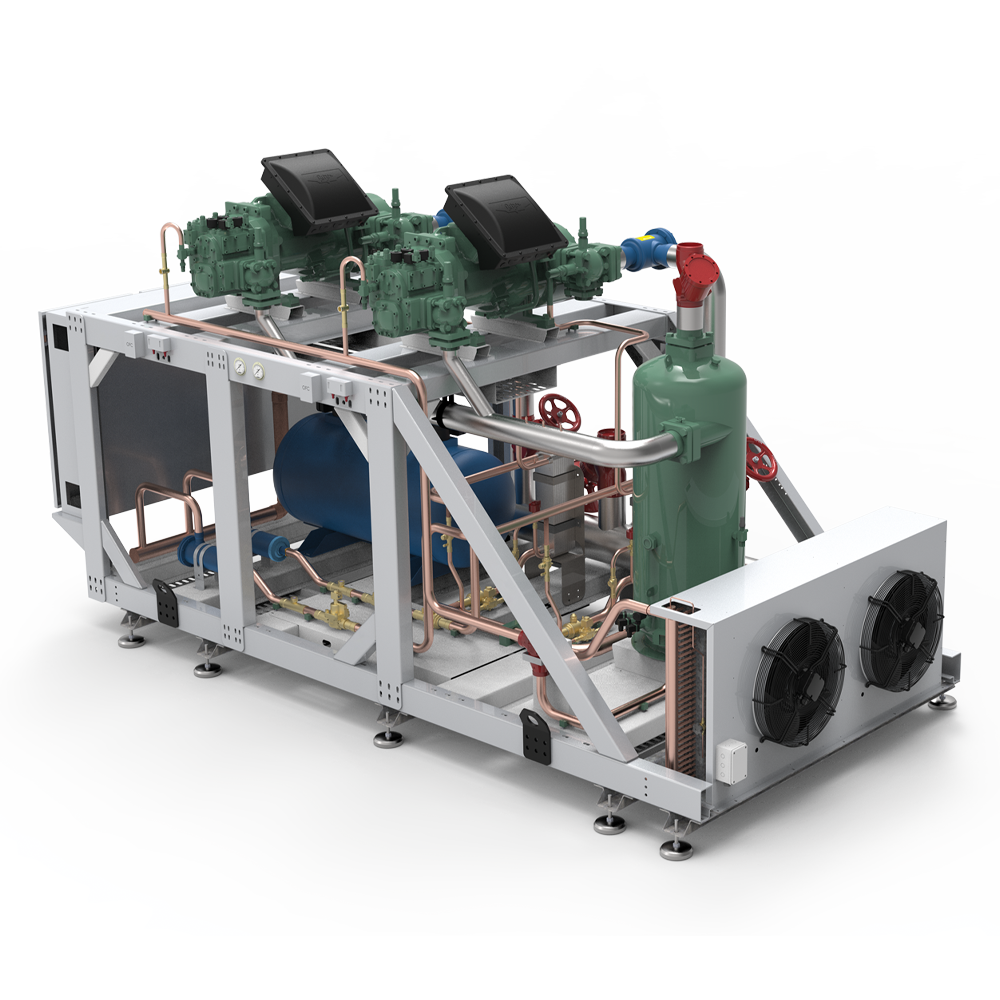
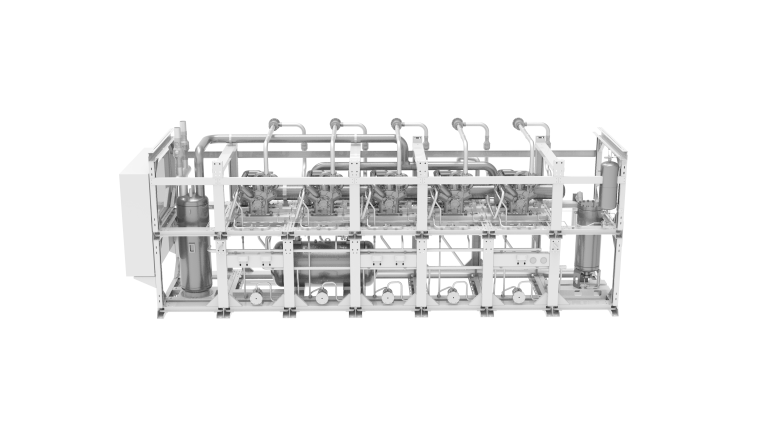
CORE COMPONENTS (01-05)

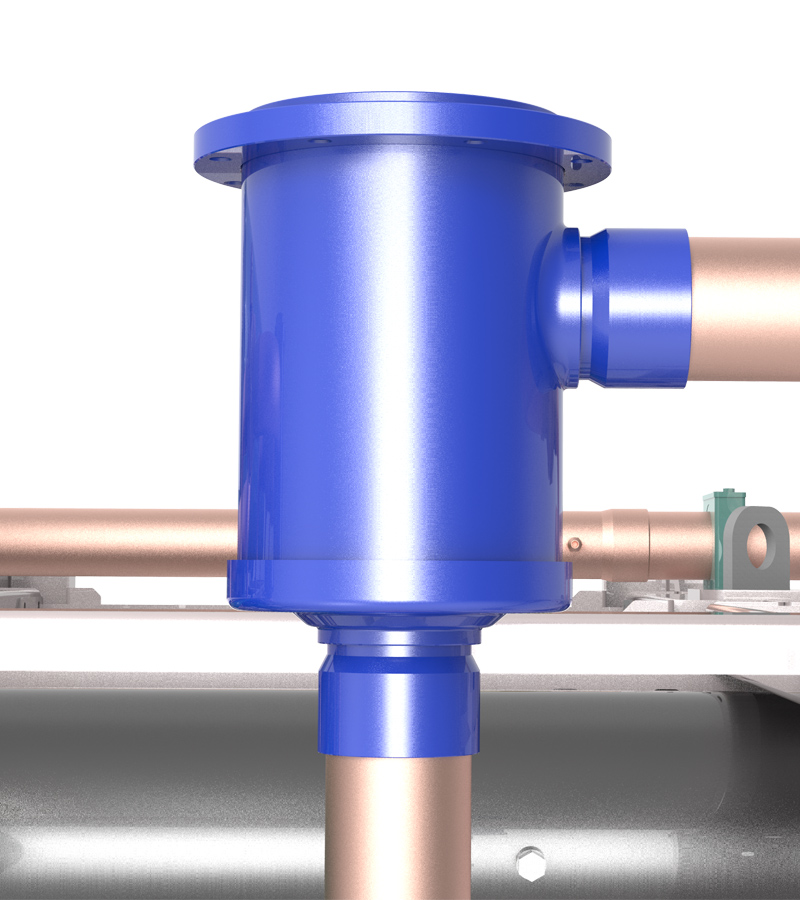
Low-Pressure Oil Management

  • Separator, reservoir, and oil filter
  • Stable oil line maintenance & impurity removal
  • Dedicated oil sight glass

Industrial Control Panel

  • Carel pRack Controller
  • Electromagnetic capacity control optimization
  • User-friendly interface (Easy Ops)

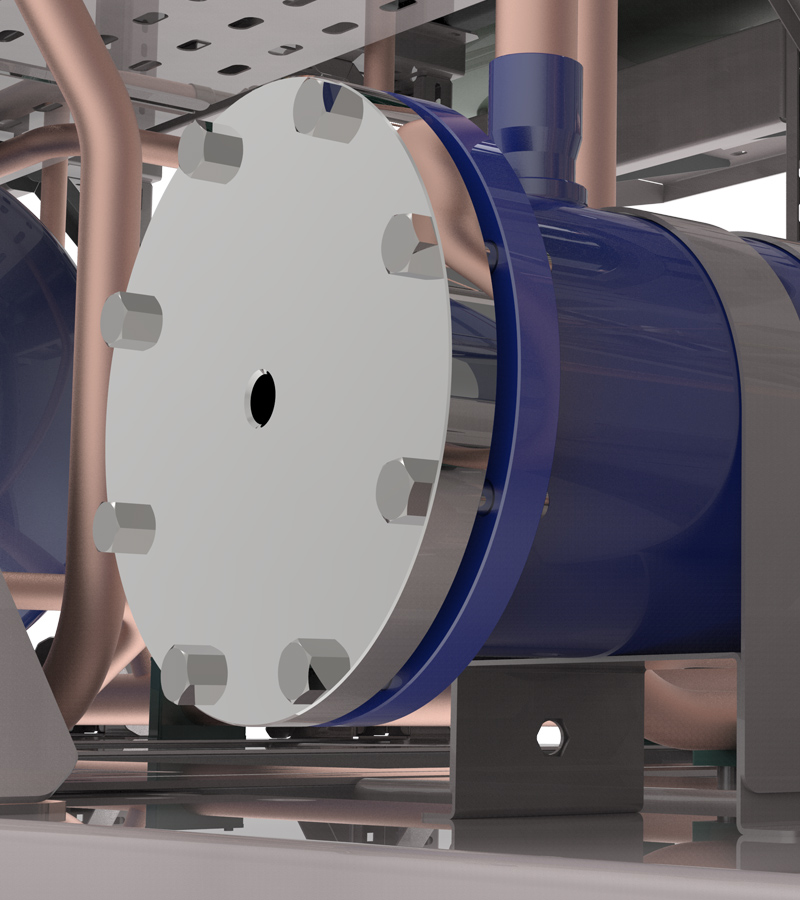
Mounting Frame & Structure

  • Vibration-resistant A1 galvanized steel
  • Electrostatic powder coating
  • Full stainless steel architecture

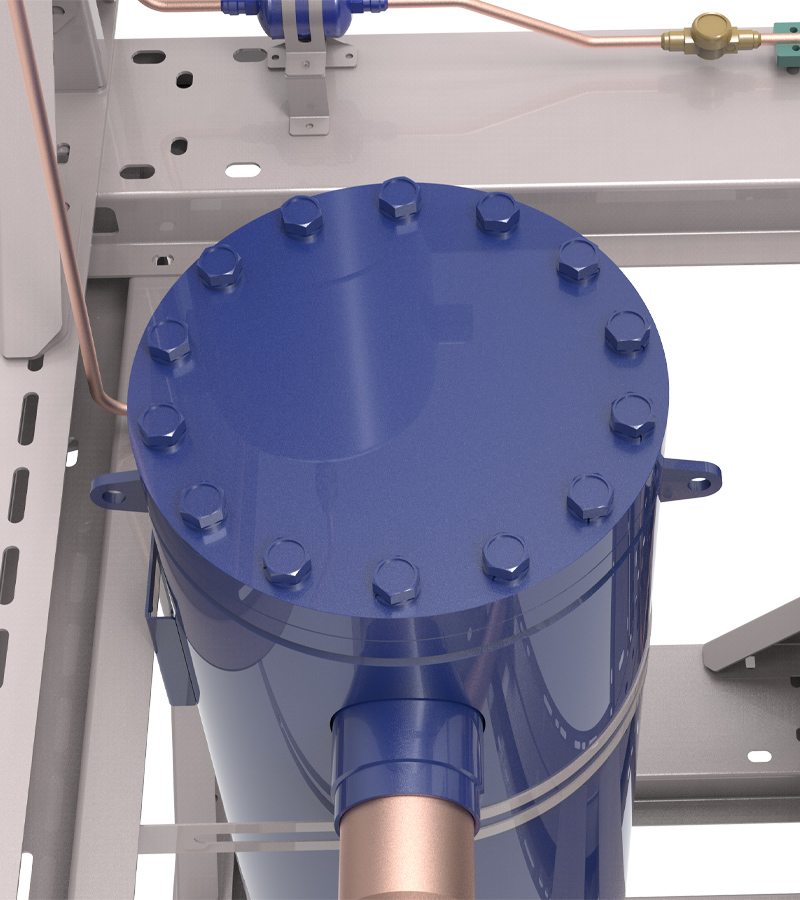
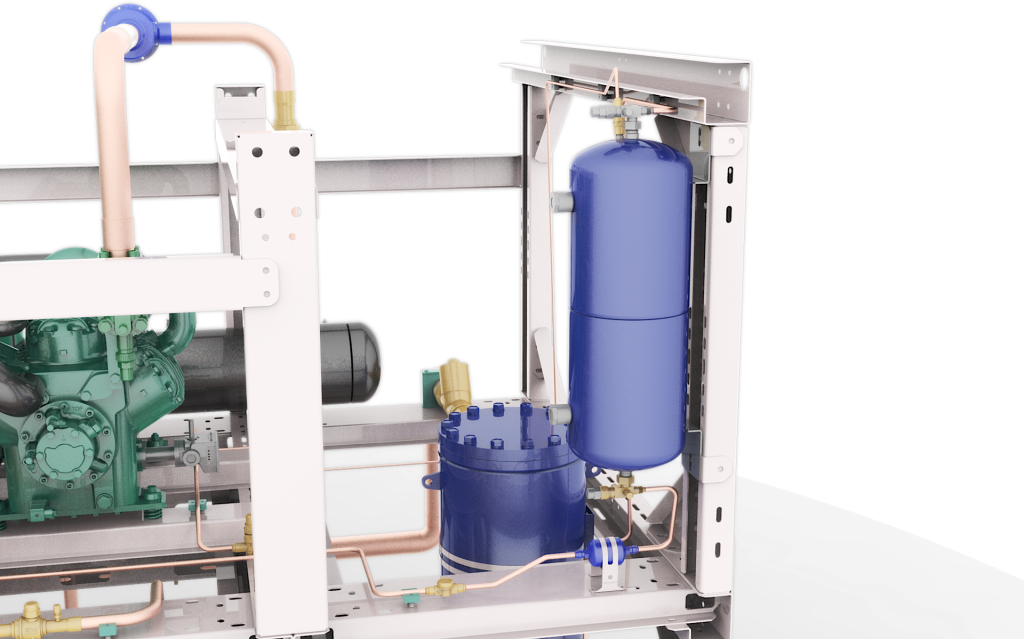
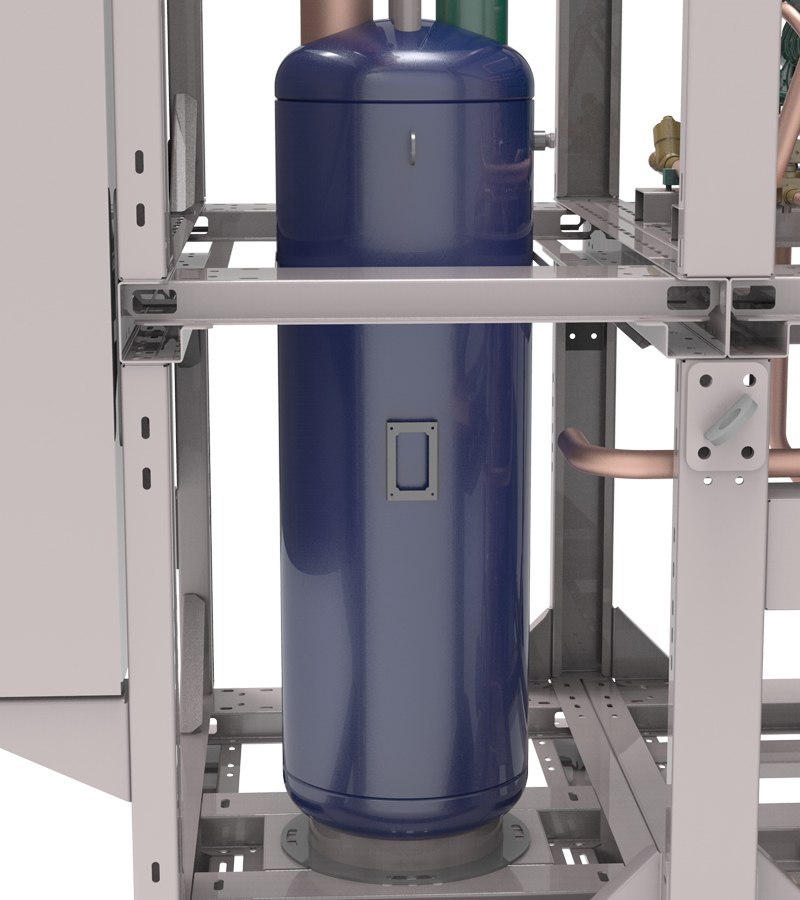
Liquid Receiver

  • Safety valve and sight glass
  • ASME Sec VIII Standard / GVN Certification
Piston Rack
LIVE STATUS
● ACTIVE TEMP: -25°C LOAD: 78%
ADVANCED FEATURES (06-11)

Oil Level Regulator

  • Mechanical and smart electric models

Filters & Protection

  • Suction line filter with replaceable core
  • Liquid line filter drier (optimized sizing)

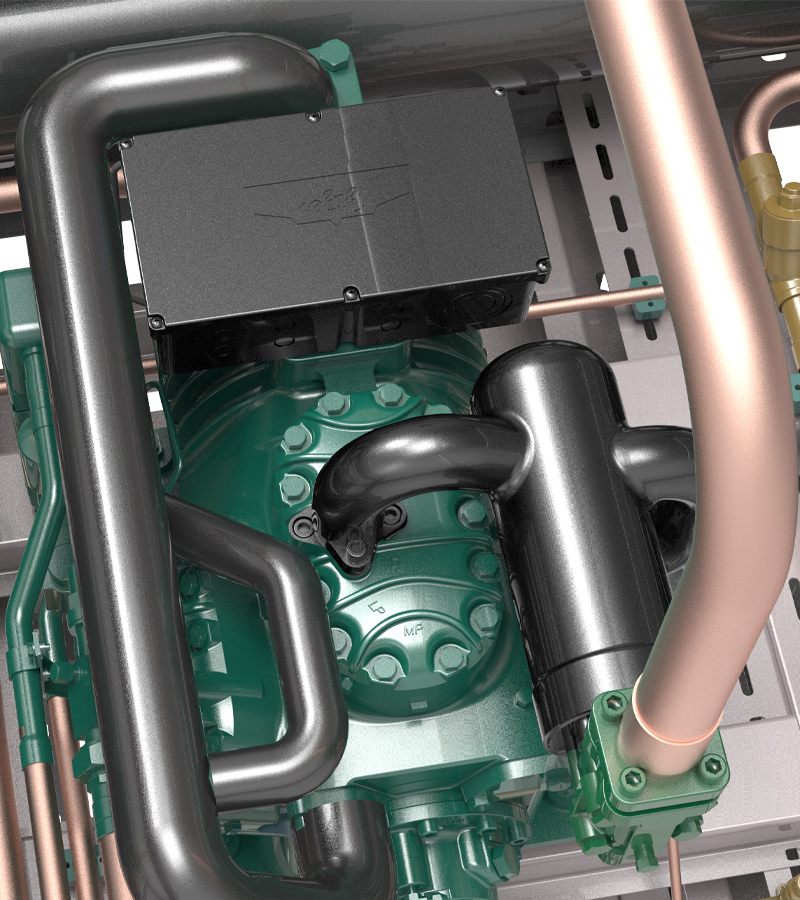
Bitzer ECOLINE Compressor

  • Reciprocating with high reliability & quiet operation

Suction Header & Vibration Absorber

  • Uniform refrigerant distribution & professional insulation
  • Complete mechanical vibration damping

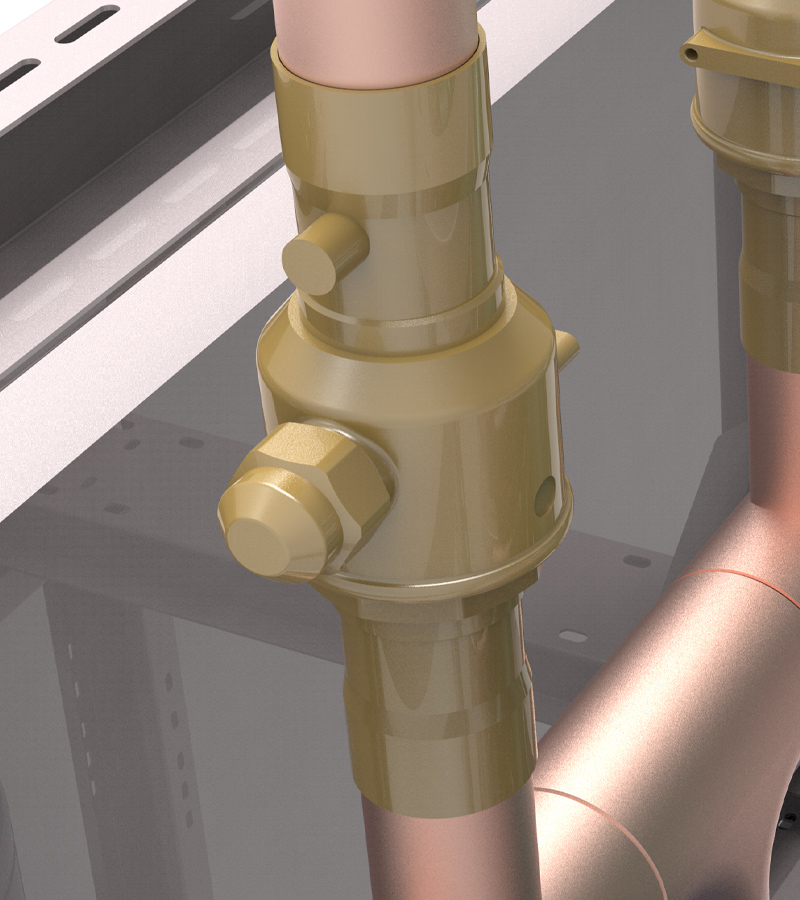
Industrial Valves

  • Suction valve and purge line check valve
DESIGNED FOR ARIA REFRIGERATION
DATA INTERFACE V6.0 // SYSTEM: STABLE
True quality is crafted in the details

Quality begins with a precise vision

oil separator

oil reservoir

bitzer compressor

filter suction

liquid line filter drier

Liquid Receiver

Suction Accumulator

check valve

introduction Rack

Our industrial group has provided a complete chain of refrigeration equipment production with three specialized factories: a condensing unit factory with high efficiency and long durability, a coil factory with an annual capacity of more than 150,000 units, and a cold storage door factory with the largest production line in the Middle East for manufacturing all kinds of hinged and sliding doors in accordance with global standards.

Refrigeration Equipment Encyclopedia
RACK REFRIGERATION INDUSTRIAL COOLING
Expert Guide to Refrigeration Systems

Central Refrigeration System Cold Room Rack What Is It?

The central cold room rack refrigeration system is one of the smart solutions for managing refrigeration loads in cold rooms, industrial facilities, chain stores, and modern hypermarkets. This system uses multiple compressors in parallel to adjust cooling capacity according to the actual needs of the facility.

Structure Multi-compressor
Capacity Control Stepped and Smart
Application Industrial and Retail
01

Central Cold Room Rack Refrigeration System; A smart solution for reducing costs and increasing efficiency

Central rack refrigeration system (Rack Refrigeration System) is known as the beating heart of industrial cold rooms and modern hypermarkets. This system uses a parallel arrangement of multiple compressors in an integrated structure, enabling intelligent refrigeration load management .

In this system, when the cold room reaches peak demand, more compressors are activated, and when the cooling demand is lower, only the required compressors are started. This process reduces energy consumption and equipment wear.

Stepped Capacity Control Cooling capacity adjustment Based on actual demand
Extended Equipment Life Reduced compressor start and stop cycles
Redundancy Maintains system operation when one compressor fails
02

Why has the cold room rack system replaced traditional systems?

In traditional systems, each refrigeration unit operates independently, which can lead to increased energy consumption and maintenance costs. However, in the central rack refrigeration system, compressors use a common suction and discharge line to manage variable thermal loads.

This architecture enables more precise capacity control, reduced compressor wear, and increased operational stability of the refrigeration system.

03

Types of Cold Room Racks by Compressor Technology

The choice of cold room rack depends on capacity, project conditions, product type, required temperature, and system application.

Rack Type Main Application Key Feature Suitable For
Reciprocating Rack Medium-sized cold rooms Easy maintenance and servicing Medium-scale projects MID
Scroll Rack Stores and cold rooms above zero temperature Quiet and efficient Retail RETAIL
Screw Rack Large industrial cold rooms High capacity and load control Industrial projects HEAVY
Choosing the right rack is not just about choosing a compressor. Capacity, application type, temperature conditions, and consumption patterns must be considered together when designing the refrigeration system.
● SMART REFRIGERATION

Why has the cold room rack system replaced traditional systems?

Comparison of a single-compressor system with a parallel rack for managing variable thermal loads.

Energy Consumption Management Chart

Load Balancing

Parallel Rack Performance Infographic

Redundancy

Traditional System

Single Compressor 100%
Load Inflexibility High
Risk of Complete Shutdown Risk

Central Parallel Rack

Compressor 1 ON
Compressor 2 ON
Compressor 3 Standby
Common Suction and Discharge Line PLC