

What Makes a Condensing Unit the Center of a Refrigeration System?
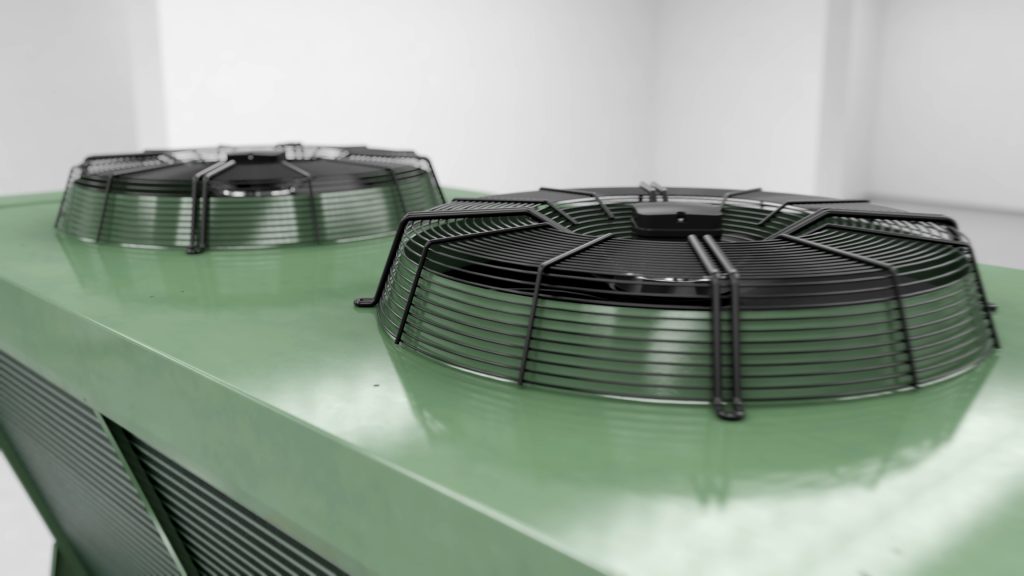
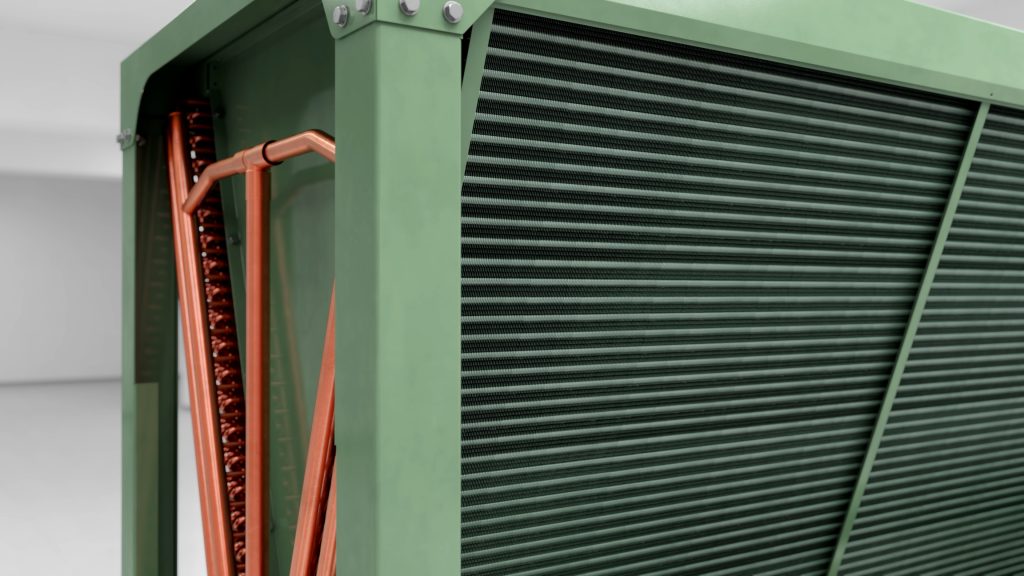
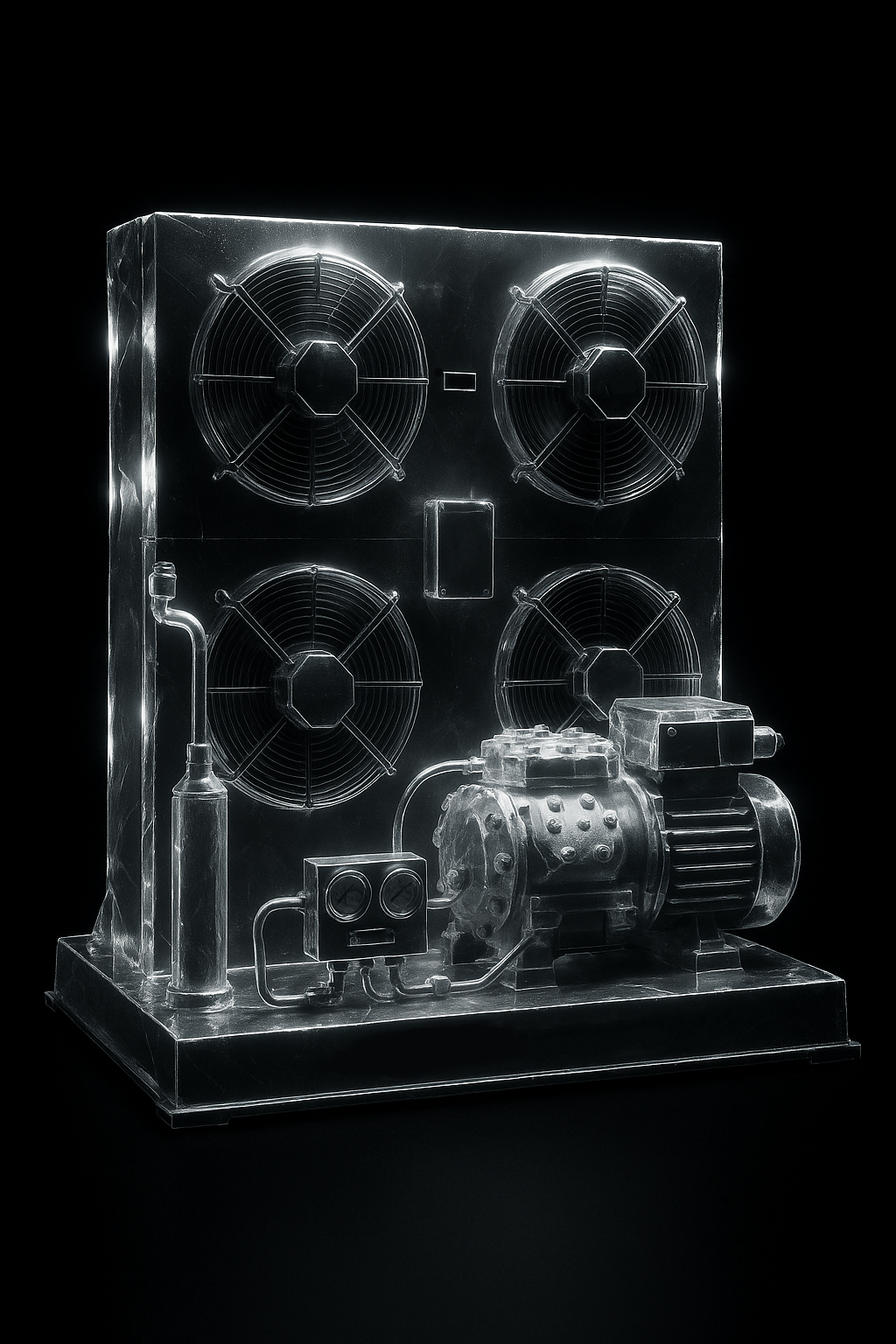
A condensing unit is the operational heart of any refrigeration system; an integrated assembly that houses the compressor, condenser, and expansion valve, driving the cooling process in cold rooms, water chillers, evaporators, and cold storage facilities.
The Refrigeration Cycle: How Does a Condensing Unit Actually Work?
In principle, a condensing unit does not “produce cold”; it removes heat. The refrigerant circulates through a closed circuit, absorbs heat in the evaporator, and rejects it in the condenser. The compressor drives this cycle by compressing the refrigerant vapor and raising its temperature, making it possible to release heat into the surrounding environment.
Five Types of Condensing Units: Matching Form to Function
Not all condensing units are built the same way. Five main configurations are suited to different installation environments, load sizes, and temperature requirements.
| Unit Type | Cooling Medium | Capacity Range | Best Application | Key Advantage |
|---|---|---|---|---|
| Air-Cooled | Ambient Air | 1 – 200 kW | Cold rooms, supermarkets | No water required; easy installation |
| Water-Cooled | Water / Cooling Tower | 10 – 2000+ kW | Water chillers, industrial refrigeration | Higher COP; stable performance in high ambient temperatures |
| Box-Type | Air, enclosed housing | 1 – 30 kW | Small cold rooms, retail stores | Compact and weather-resistant |
| Open-Type | Air | 5 – 150 kW | Medium cold rooms, food processing | Flexible access; on-site servicing |
| Parallel | Air or Water | 50 – 500+ kW | Large warehouses, logistics centers | Load redundancy; modular expansion |
Selecting the Right Capacity for Cold Rooms and Cold Storage
Undersizing a unit by even 15 to 20 percent can push compressor runtime above 80% duty cycle and significantly increase energy costs.
Room Volume and Insulation Standard
A 100 m³ cold room with 100 mm polyurethane panels at -18°C typically requires 5 to 8 kW of refrigeration capacity. Poor insulation can double this requirement.
Product Load and Pull-Down Time
Facilities that receive warm products require an additional 30 to 50 percent capacity above steady-state demand to reduce product temperature within the target time window.
Design Ambient Temperature
Units are rated based on standard temperatures of 32°C or 35°C. In regions where peak temperatures exceed 40°C, capacity should be considered 10 to 15 percent derated, or a high-ambient-temperature unit should be selected.
Evaporating Temperature (Te)
A medium-temperature cold room, 0 to +5°C, operates with a Te of around -10°C. A low-temperature freezer, -20 to -25°C, operates with a Te of around -35°C and requires a more powerful compressor.
Air-Cooled Condensing Units
- COP between 2.5 and 4.0; sufficient for most commercial cold storage applications
- No water infrastructure required; suitable for rooftop or outdoor installation
- Modular approach; each unit serves one cold room or separate zone
- Equipped with reciprocating or scroll compressors; lower maintenance cost per unit
- Higher capital cost per kilowatt, but lower installation complexity
Key Accessories That Protect Condensing Unit Performance
System reliability depends on the quality of refrigeration accessories just as much as it depends on the quality of the unit itself.
| Accessory | Function | Failure Consequence |
|---|---|---|
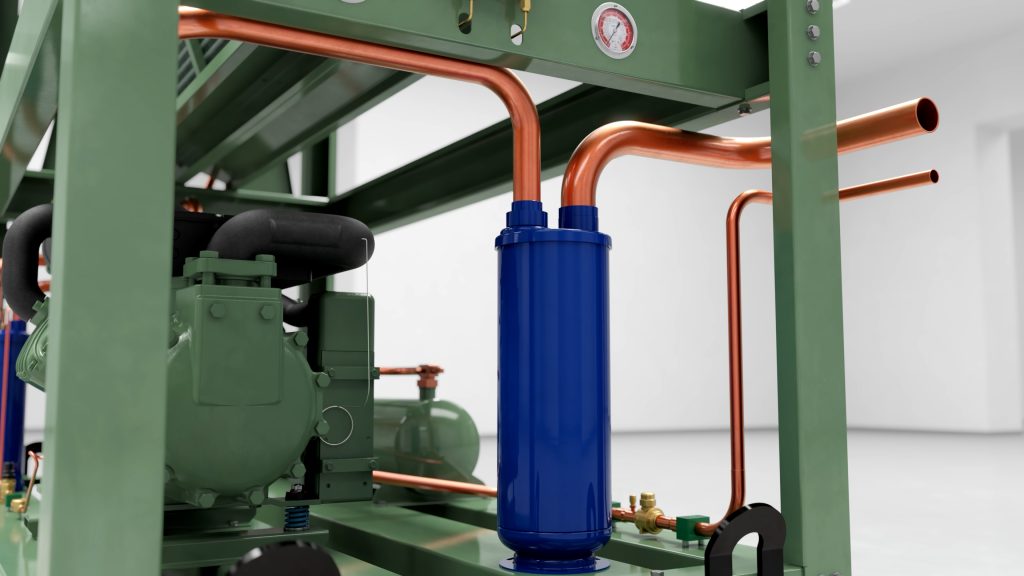
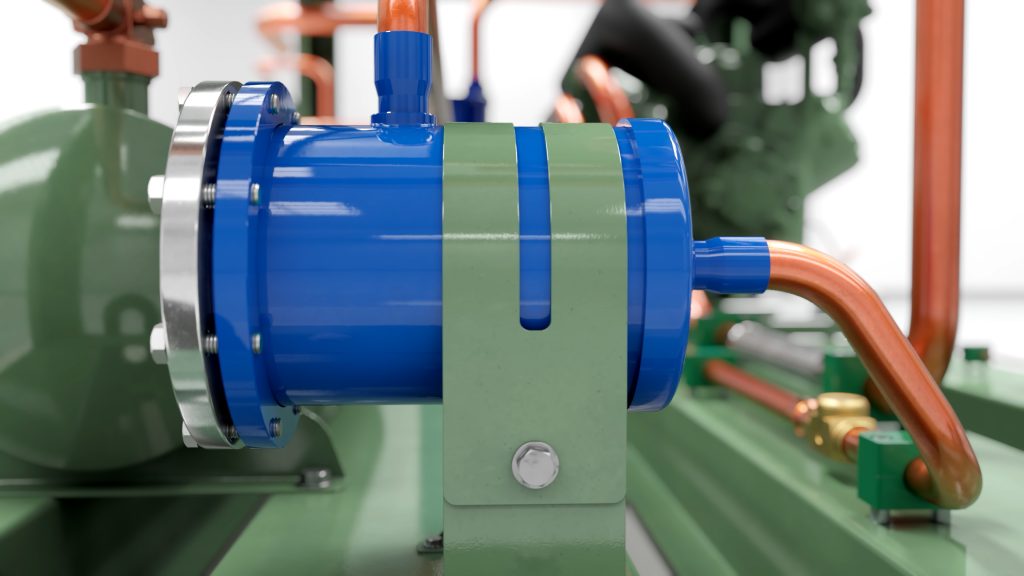
| Filter Drier | Removes moisture and particles from the refrigerant circuit | Acid formation, expansion valve blockage, compressor damage |
| Solenoid Valve | Controls refrigerant flow on/off to the evaporator | Liquid hammer, liquid entering the compressor during startup |
| Sight Glass / Moisture Indicator | Provides visual inspection of refrigerant charge level and moisture content | Failure to detect undercharge or moisture in the circuit |
| High / Low Pressure Control | Safety cutout for compressor protection | Mechanical compressor failure, refrigerant leakage, or discharge |
| Thermostatic Expansion Valve (TXV) | Regulates refrigerant flow to maintain stable superheat | Flooded or starved evaporator; reduced efficiency |
Selecting the Compressor Inside the Condensing Unit
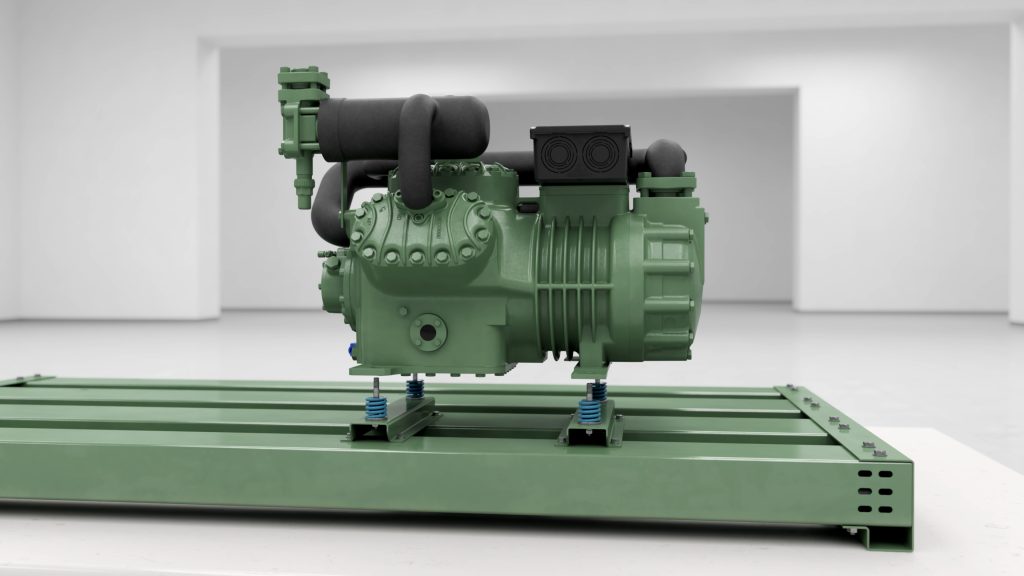
The compressor determines the unit’s ability to cover the temperature range, noise level, and energy consumption pattern.
Practical Notes for Buyers and Engineers
Whether you are selecting a condensing unit for a new cold room or replacing worn-out equipment, the core principles remain the same: match the compressor type to the temperature range, align the evaporator surface with the condensing capacity, and source refrigeration accessories from the same approved supply chain.
In cold room construction, whether your goal is to build an industrial cold room for a new project, replace old cold storage equipment, or purchase cold room equipment and HVAC components directly from manufacturers, the main technical principles are almost the same. Proper design, accurate equipment selection, and sourcing parts from a reliable supply chain directly affect energy reduction, system lifespan, and cold room construction cost control.
The first step in cold room design is defining the application type and temperature range. For example, above-zero cold rooms are usually used for storing fruit, dairy products, medicine, and fresh food, while below-zero cold rooms are used for freezing and storing meat, poultry, fish, ice cream, and frozen products. For this reason, projects such as fruit cold room construction, fruit cold storage development, or fruit cold room commissioning differ significantly from projects such as below-zero cold room execution or blast freezer design.
Whether you are specifying a condensing unit for a new cold room or replacing worn-out equipment, the core principles remain the same: match the compressor type to the temperature range, align the evaporator surface with the condensing capacity, and source refrigeration accessories from the same approved supply chain.
One of the most important stages in cold room calculations is selecting the cold room compressor. The compressor type must match the operating temperature, refrigeration capacity, refrigerant type, and operating conditions. In the market, different types of cold room compressors are used, including reciprocating, screw, and scroll compressors. Choosing the best cold room compressor depends on project capacity, efficiency, brand, after-sales service, and price. In larger projects, using an industrial cold room compressor or a multi-compressor configuration can improve system efficiency.
Alongside the compressor, the cold room evaporator also plays a key role in system performance. The evaporator heat exchange surface must be aligned with the condensing capacity and the room’s refrigeration load. Incorrect selection of an above-zero cold room evaporator or below-zero cold room evaporator can increase power consumption, cause excessive icing, reduce product quality, and create repeated cold room repair needs. The quality of the cold room evaporator fan, fin spacing, defrost type, and installation location are also highly influential in final performance.
For small and medium projects, especially cold rooms with capacities below 200 kW, using a cold room unit or air-cooled condensing units is more common. These systems are used in many small cold room construction projects, small cold room purchases, containerized cold rooms, and portable cold storage units because of their simple installation, reasonable initial cost, and easy maintenance. In contrast, for higher capacities or projects where energy efficiency matters more, water chillers, water-cooled condensers, and parallel systems are more suitable options.
In professional industrial cold room projects, coordinated sourcing of all components is highly important. The cold room condenser, cold room motor, expansion valve, solenoid valve, electrical panel, controllers, sensors, insulation, cold room door, flooring, and other industrial cold room accessories must be compatible in terms of capacity and quality. For this reason, when purchasing industrial cold room equipment, the initial price should not be the only consideration. Factors such as efficiency, component brand, repairability, spare parts availability, and assembly quality should also be evaluated.
One of the common mistakes in cold room installation and commissioning is selecting separate components from different suppliers without checking technical compatibility. If the compressor, evaporator, condenser, cold room electrical panel, and refrigeration valves are not aligned in terms of capacity and operating conditions, the system will suffer from reduced efficiency, increased wear, and repeated service costs. Therefore, using an approved supply chain for cold room parts and accessories can reduce project risk.
For this reason, direct cooperation with manufacturers has become an economical and reliable solution for companies active in cold room construction, equipment importers, and refrigeration project contractors.